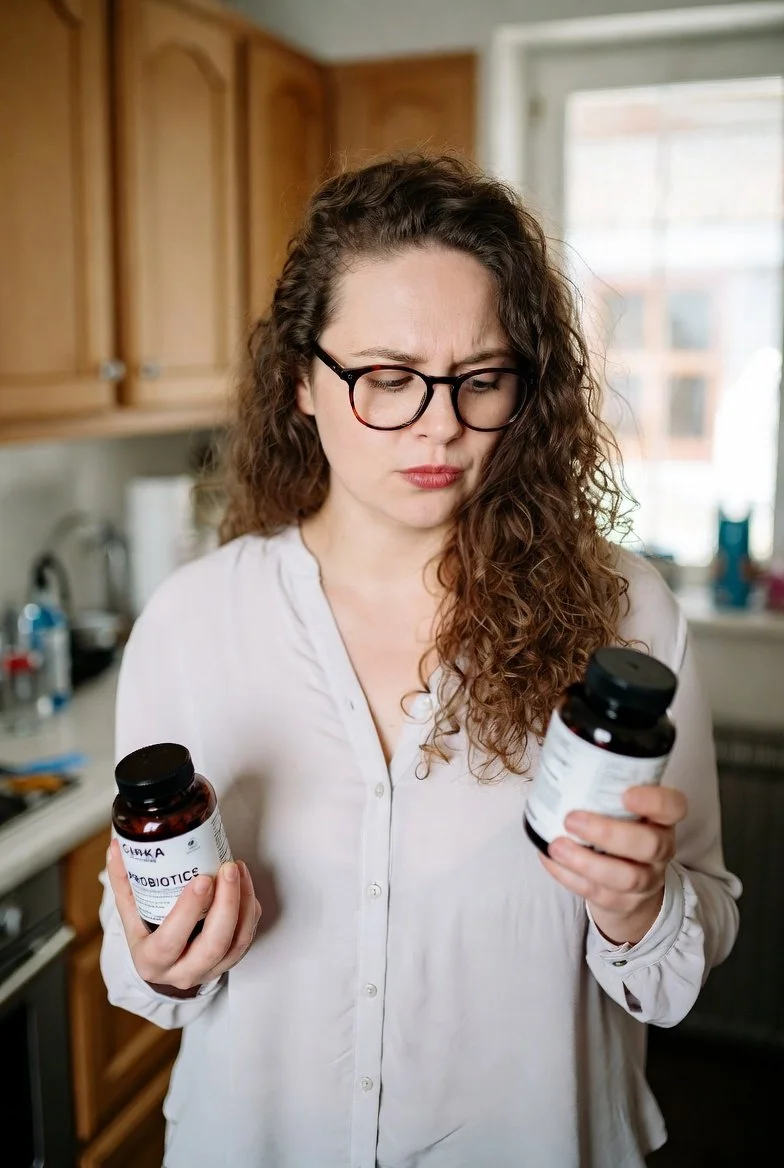
Lactobacillus reuteri: A Smart Probiotic for Gut Health & Women in Midlife
A Smart Probiotic for Gut Health & Women in Midlife
If you’ve ever taken a probiotic and wondered, “Is this actually doing anything?” — you’re not alone.
Not all probiotics are created equal. Different strains do different jobs. And Lactobacillus reuteri is one of those rare strains that shows up in the research again and again for very specific reasons: support with H. pylori and meaningful benefits for women navigating perimenopause and menopause.
Let’s talk about why this one matters — without getting lost in science jargon.
What Is H. pylori — and Why Does It Matter?
Helicobacter pylori is a stubborn bacterium that lives in the stomach and digestive tract. Many people carry it without knowing, while others struggle with symptoms like:
Chronic bloating or burning
Reflux that doesn’t respond well to treatment
Nausea or upper abdominal pain
Iron deficiency or unexplained fatigue
Standard treatment usually involves antibiotics, which can work — but they often come with side effects and don’t always feel great.
This is where Lactobacillus reuteri comes in as supportive backup.
How Lactobacillus reuteri Supports H. pylori
What makes L. reuteri different from most probiotics is how directly it interacts with H. pylori.
🧲 It Physically Binds to H. pylori
Certain strains of L. reuteri can actually attach themselves to H. pylori in the stomach. When this happens, H. pylori has a harder time sticking to the stomach lining — and is more easily moved out of the body.
Think of it like taking away the bacterium’s suction cups.
🌱 It Helps Calm the Gut Environment
L. reuteri produces beneficial compounds that help reduce irritation and support a healthier gut lining. Many people notice:
Less bloating
Less discomfort during treatment
Better tolerance when antibiotics are needed
🤍 It Makes Treatment Easier to Tolerate
Studies consistently show that adding L. reuteri to conventional H. pylori treatment:
Reduces diarrhea
Lowers nausea and abdominal pain
Improves overall comfort
It’s not meant to replace medical treatment — but it can make the process much more manageable.
Why L. reuteri Is Especially Helpful for Perimenopausal & Menopausal Women
Hormonal changes don’t just affect periods — they affect the gut, immune system, bones, and even vaginal health. L. reuteri happens to support several of these areas at once.
🦴 Bone Health Support
As estrogen declines, bone breakdown speeds up. Emerging research suggests L. reuteri may help:
Slow bone loss
Reduce inflammation linked to bone breakdown
Support healthier bone metabolism
It’s not a replacement for calcium, vitamin D, or strength training — but it may be a helpful piece of the puzzle.
🌸 Vaginal & Urinary Health
Menopause often brings changes in vaginal pH and beneficial bacteria. This can increase the risk of:
Recurrent UTIs
Vaginal irritation or dryness
Imbalances like bacterial vaginosis
Specific L. reuteri strains have been shown to help restore healthy vaginal bacteria, supporting comfort and resilience — especially for women who prefer non-hormonal options.
🔥 Inflammation & Immune Balance
Midlife often comes with more inflammation and slower recovery from stress. L. reuteri supports immune regulation and gut barrier health, which may help:
Calm low-grade inflammation
Support digestion
Improve overall resilience
🌿 Digestive Changes in Midlife
New food sensitivities, constipation, or bloating often show up during perimenopause. Supporting the microbiome with the right strains can make digestion feel steadier again.
The Bottom Line
Lactobacillus reuteri isn’t a trendy, throw-it-in-every-formula probiotic.
It’s targeted, researched, and purposeful — especially for:
Supporting H. pylori treatment
Improving gut comfort
Helping women navigate hormonal transitions with more ease
As always, probiotics work best when they’re chosen intentionally and paired with nutrition, stress support, and personalized care.
🩺 Practitioner Notes (For Clinical & Educational Use)
Key Studied Strains:
L. reuteri DSM17648 (Pylopass™):
Studied specifically for H. pylori
Works via co-aggregation (binding and removal)
Non-viable strain — heat-killed, still effective
L. reuteri RC-14:
Well-studied for vaginal and urogenital health
Often paired with L. rhamnosus GR-1
L. reuteri ATCC PTA 6475:
Studied for immune modulation and bone health support
Typical Dosing Ranges (Clinical Use):
H. pylori support: 1–2 × 10⁸ CFU/day (or manufacturer-specific DSM17648 dosing)
Vaginal/urogenital support: 1–5 × 10⁹ CFU/day (oral)
Bone/immune support: dosing varies by strain and formulation
Clinical Notes:
Best used as an adjunct, not a replacement, for medical treatment when eradication is required
Strain specificity matters — generic “L. reuteri” is not enough
Generally well tolerated, including during antibiotic therapy
Where to Find a Quality Lactobacillus reuteri Supplement
Because Lactobacillus reuteri is strain-specific, where you buy it matters. Many generic probiotics list L. reuteri without identifying the strain — which means you may not be getting the benefits discussed here.
When choosing a product, look for:
Clearly identified strains (such as DSM17648, RC-14, or ATCC PTA 6475)
Clinically relevant dosing
Third-party testing and quality assurance
Proper storage and handling to protect potency
For convenience and quality assurance, I recommend sourcing supplements through a practitioner-grade dispensary where products are vetted for purity, potency, and research-backed formulations.
In full transparency: the brand I carry is Microbiome Labs®, and the specific ingredient studied is Pylopass™ (DSM17648), found in their product PyloGuard®. That matters, because probiotic outcomes are strain-specific — and the benefits seen in studies cannot be assumed from generic or unnamed versions.
👉 You can find my recommended options through my Fullscript dispensary here:
https://us.fullscript.com/welcome/charroberts/store-start
If you’re unsure which strain is right for your goals — digestive support, H. pylori protocols, or women’s health — personalized guidance can make all the difference.
This article is for educational purposes and does not replace individualized medical care.